US Ranchers Fume Over Beef Tariff Pause as Herd Stays Near Historic Lows
A 90-day pause on certain beef tariffs, meant to ease consumer prices, has angered US ranchers who were preparing to sell cattle, though its political fallout remains uncertain.
By Hot Report Digest Staff ·
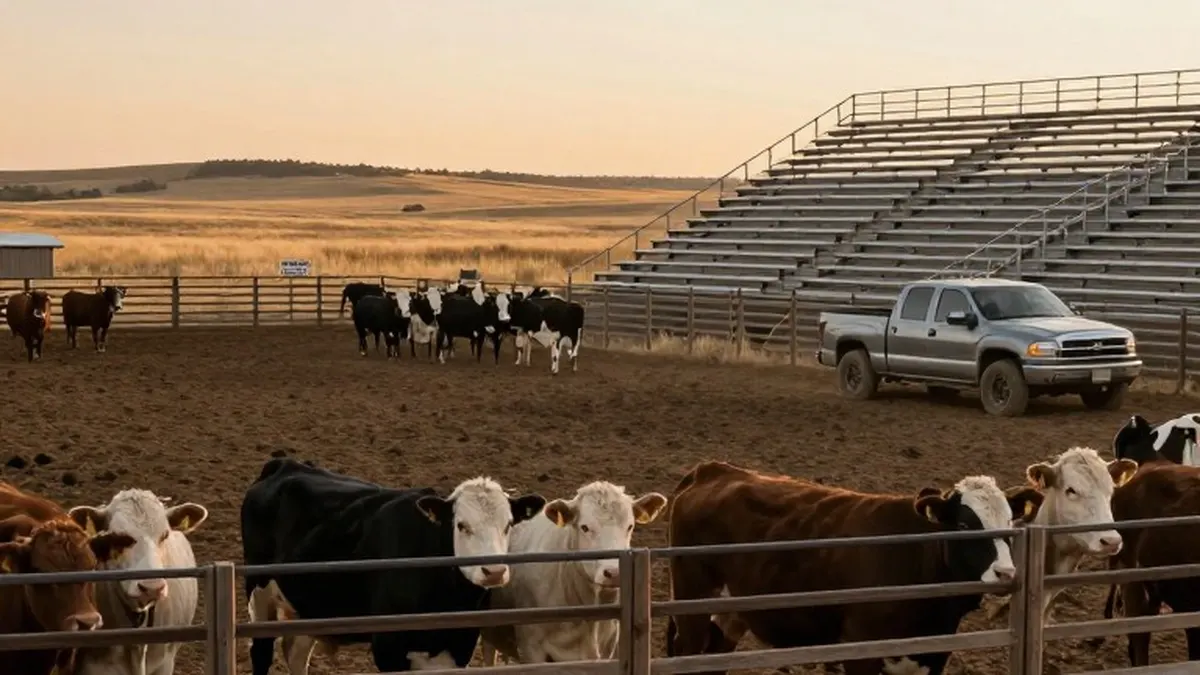
In late August, President Donald Trump announced a 90-day pause on certain beef tariffs, a move that makes imported beef cheaper, especially from Brazil. The decision was presented as a way to lower prices for shoppers, but many US ranchers who were about to bring cattle to market saw it as a betrayal.
Whether grocery prices will ultimately fall is too early to say. The effect on ranchers, however, was immediate: prices at cattle auctions dropped sharply, temporarily cutting into profits. The United States Cattlemen's Association, the National Cattlemen's Beef Association and the Farm Bureau, all of which represent ranchers, opposed the decision. Rural Republican members of Congress also distanced themselves from it.
What that means for the midterm elections is unclear. Chad Basinger, a rancher in Pretty Prairie, Kansas, doubts the imports will move many votes. He acknowledged that some people say they will back the other party or stay home, but said that "overall I don't think it'll be that much." He added that ranchers will also weigh other administration actions, including the $8bn in farm relief announced in Kansas on October 19.
Basinger's House district is expected to stay safely Republican, but Kansas has an unexpectedly close Senate race. Potential swing districts in Montana, Iowa, Texas and Colorado are also in cattle country. Even so, ranchers are unlikely to decide elections on their own, since they and farmers more broadly make up a shrinking share of rural voters and a smaller bloc than many people imagine.
The US cattle herd is near its smallest since 1951, and the number of ranchers has fallen along with it. Observers fear that uncertainty from tariffs, fuel prices and drought could shrink the ranching population further. David Anderson, an agricultural economist at Texas A&M University who advises ranchers, said this year's high prices should have encouraged them to invest and expand their herds. Cheaper imports, he said, "really works against the market signal to expand and produce more domestically," and "that got a lot of people pretty angry."
Tariffs have affected cattle supplies before. Last year Trump added a 50 percent tariff on Brazil, a key beef trade partner, raising the cost of Brazilian lean beef that is often blended with fatty US beef for hamburger patties. In February he allowed more tariff-free beef from Argentina, and in August he did the same for Brazil and Paraguay. Each change triggered quick swings in cattle futures. Prices were also shaped by meatpacker plant closures, labour shortages tied to ICE actions at Kansas packing plants late last month, and the reopening of the southern border after a closure over New World screwworm disease.
Anderson stressed that the herd's long decline owes more to drought cycles, which are intensifying as warmer temperatures raise evaporation, than to short-term price moves. Still, tariff shifts add worry and volatility, and this year that meant lower profits and more risk for ranchers preparing to sell. Basinger said established ranchers are upset but will not change strategy, and that imports are not the biggest factor in their herd decisions.
He believes volatility may matter more for the next generation. Many current ranchers are nearing retirement, and their heirs must choose between continuing or selling family land. "It's not easy work!" Basinger said.
Record cattle prices did not guarantee big profits. Ranchers faced high loan interest rates, higher fuel and fertiliser costs because of the war with Iran, and pricier feed amid drought across much of the nation's ranchland. Wildfires hit Kansas and Nebraska, and groups such as Farm Rescue coordinated hay donations. Basinger said cow and calf producers generally did well and are making repairs and upgrades, but the good prices need to last longer. Rising rangeland costs, with outside investors often outbidding ranchers, add further pressure. Ranchers had hoped 2026 would be a turnaround, but Anderson said, "we really don't have much evidence of herd expansion."
Source: Al Jazeera