Tesla Targets Year-End Deliveries for Cybercab Customers
The company plans to begin handing over its two-seater autonomous vehicles to private buyers before December 31, while retaining the majority of units for its own robotaxi fleet.
By Thabo Mokoena ·
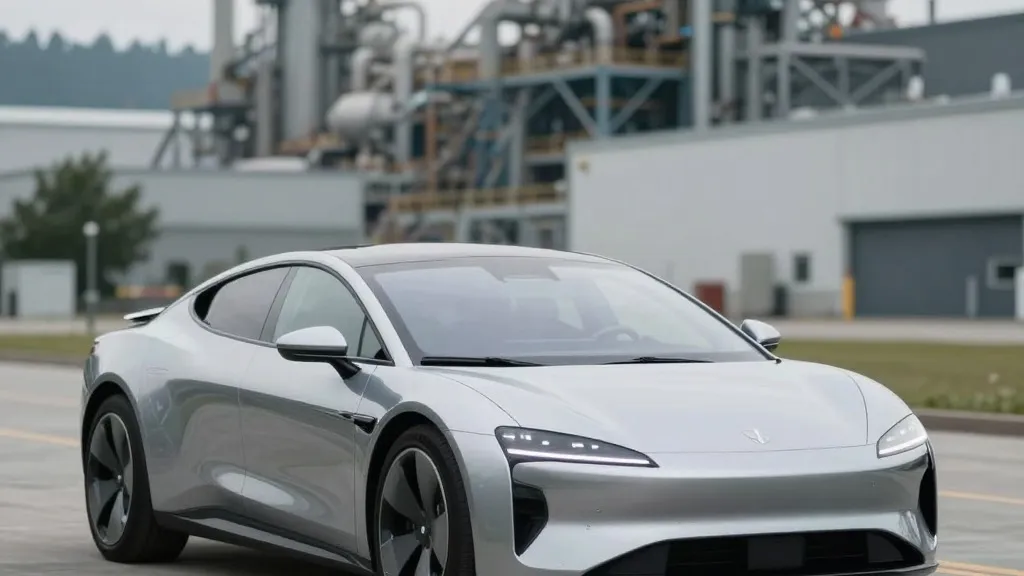
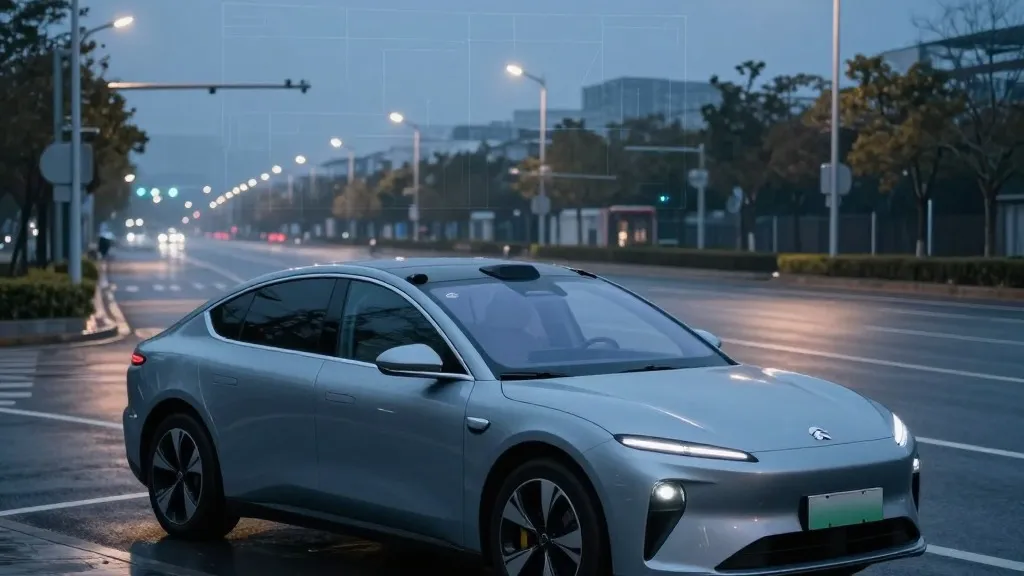
Tesla has set a definitive target to deliver its Cybercab to private customers by the end of 2026, a timeline that resolves long-standing uncertainty regarding the availability of the company’s most radical vehicle design. This announcement, made during the third-quarter earnings call on October 21, signals a shift from purely internal testing to initial public sales, although the scale of these early deliveries is expected to be modest.
The path to this milestone began in February of this year, when production of the Cybercab commenced at the Gigafactory in Texas. For several months, the vehicle remained in a state of internal development and testing. By early September, Tesla moved from testing to operation, launching public robotaxi rides using the early units. Now, as the calendar moves toward the fourth quarter, the focus has shifted from service operations to direct customer handovers.
Lars Moravy, Tesla’s Vice President of Engineering, confirmed during the earnings call that the company is aiming to get Cybercabs into the hands of customers before the year concludes. He noted that while production lines are active, every unit currently rolling off the line is being assigned to Tesla’s internal robotaxi fleet. This strategy allows the company to refine its logistics and fleet management systems before introducing the vehicle to private owners.
Moravy explained that as operations scale, Tesla intends to primarily deliver fully designed autonomous vehicles to its customer base, with the Cybercab serving as the first model in this category. The initial phase of private sales will be small in volume. This approach is designed to give the company time to navigate the complexities of delivery logistics, ownership models, and the operational challenges of managing autonomous vehicles that are no longer under direct corporate control.
CEO Elon Musk reinforced the idea that private ownership will not be the dominant use case for the Cybercab in the near term. He described the vehicle primarily as a "transport-as-a-service" offering, distinct from traditional personal vehicles like the Model 3, Model Y, or the upcoming Roadster. According to Musk, the vast majority of Cybercab units will remain Tesla-owned, ensuring that the fleet remains centralized for operational efficiency.
The Cybercab itself is a two-seater vehicle that lacks a steering wheel and pedals, relying entirely on Tesla’s Full Self-Driving software suite. The company has previously indicated a target price of approximately $30,000 for the vehicle, positioning it as an affordable option for both fleet operators and early adopters. Its design prioritizes autonomous function over human driver interface, marking a significant departure from Tesla’s other current models.
Looking ahead, Ashok Elluswamy, Tesla’s Head of AI, indicated that unsupervised Full Self-Driving capabilities are expected to ship to consumer cars during the second quarter of 2027. This timeline suggests that early Cybercab buyers may face geographical restrictions on their autonomous operation due to lagging regulatory approvals. These regulatory hurdles remain a key factor in how the vehicle will be used and where it can operate unsupervised.
The transition from internal fleet to customer delivery represents a critical step for Tesla’s autonomous vehicle strategy. By keeping the majority of units in-house, the company maintains control over the service experience while gradually building the infrastructure needed for private ownership. The coming months will determine how smoothly this transition occurs and whether the initial small-batch deliveries meet the operational expectations set by engineering leadership.
Source: Teslarati